
HELOC Rates – Impacts, Rate Types, Pros & Cons
What Impacts Your HELOC Rate?
Your HELOC rate isn't the same for everyone. Heimloan looks at several important factors to figure out how much risk you represent and what rate makes sense for you.
- Loan Type : You can choose between fixed and adjustable rates, and this choice really matters. The type you pick shapes how your interest rate might go up or down over time.
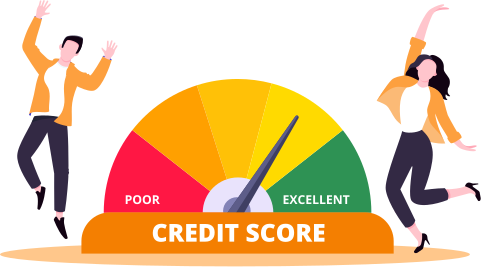
- Credit Score : Your credit score tells lenders a lot about how you manage finance. When you show a higher credit score, you signal that you're reliable with money and payments.
- Home Equity : The more equity you've built in your home, the better your chances of landing a lower rate. Lenders look at your combined loan-to-value ratio, or CLTV. When your CLTV sits under 80%, you typically qualify for the best rates. A CLTV of 80% or higher bumps up the risk level for lenders, which might mean a higher rate for you.
- Loan Terms : The time you take to pay back your HELOC affects your rate. Shorter repayment periods have lower rates, and longer terms might cost you more.
- Location : Your neighborhood matters too. Lenders before approving your HELOC look at local housing markets and how property values change in your area. Homes in areas where values increase steadily might get access to higher credit limits, and homes in markets that are facing value drops may hit stricter approval rules.
Understanding Credit Score
Borrowers with excellent credit (740+) typically get the best HELOC rates, while those in the good range (670–739) get competitive HELOC rates. If your score sits in the fair range (580–669), you might get higher HELOC rates or limited approval options.
Tip: Boosting your credit score before you apply for HELOC can really help.
You can improve your score by paying down credit card balances to 30% of your limit or lower, making all your payments on time, and keeping older accounts open.
Understanding HELOC Rate Types
HELOCs provide you with two main types of rates that move with market conditions. Most HELOCs work this way, and there's a good reason why.
- Variable-rate : HELOCs tie to the prime rate plus a margin that your lender sets.
- For example, you might see a rate expressed as "prime + 1.5%."
- Borrowers with top-notch credit and plenty of home equity usually lock in the smallest margins, which means paying less overall.
- You'll want to know that most variable-rate HELOCs come with rate caps that protect you from crazy spikes.
- Your payment might shift as rates climb or fall, but these caps stop things from getting completely out of hand.
- Variable rates are good choice when you plan to repay your HELOC quickly or when you're comfortable with payments that bounce around a bit.

Upside: You'll often start with a lower rate than you'd get with fixed options.
If the prime rate drops, your payments could fall too.
Downside: It involves payment uncertainty and the risk that rates could climb substantially.
Fixed Rates :A fixed-rate home equity loan locks in your rate for the entire loan period. Your payment stays exactly the same, month after month, which makes budgeting so much easier.
You know exactly what you'll owe, and rates can never creep up on you.
The tradeoff? Fixed rates typically start 1-2% higher than variable options. If market rates drop, you don't get to benefit.
The Pros and Cons of HELOCs
Pros of HELOCs
- You only pay interest on the money you actually use, not your entire credit line. This saves you cash right from the start.
- You can draw funds whenever you need them during your draw period without having to reapply each time.
- HELOC rates beat credit card rates and personal loan rates by a huge margin.
- The interest you pay might be tax-deductible if you use the funds for home improvements. Heimloan can explain how this works for your situation.
Cons of HELOCs
- Your monthly payment can jump up when interest rates rise, so budgeting gets trickier with a variable-rate HELOC.
- Your home secures this loan, which means if you can't make payments, foreclosure becomes a real risk.
- Easy access to funds can tempt you to borrow more than you actually need.
- Most HELOCs start with promotional rates that creep up after an initial period, so your payments might surprise you down the road.